Apple Surges iPhone Duo Production 40% Amidst Supply Glut
The tech giant has significantly raised its first-year shipment targets to 14 million units after pre-orders revealed unprecedented consumer appetite for the new folding device.
By Andrew Fletcher ·
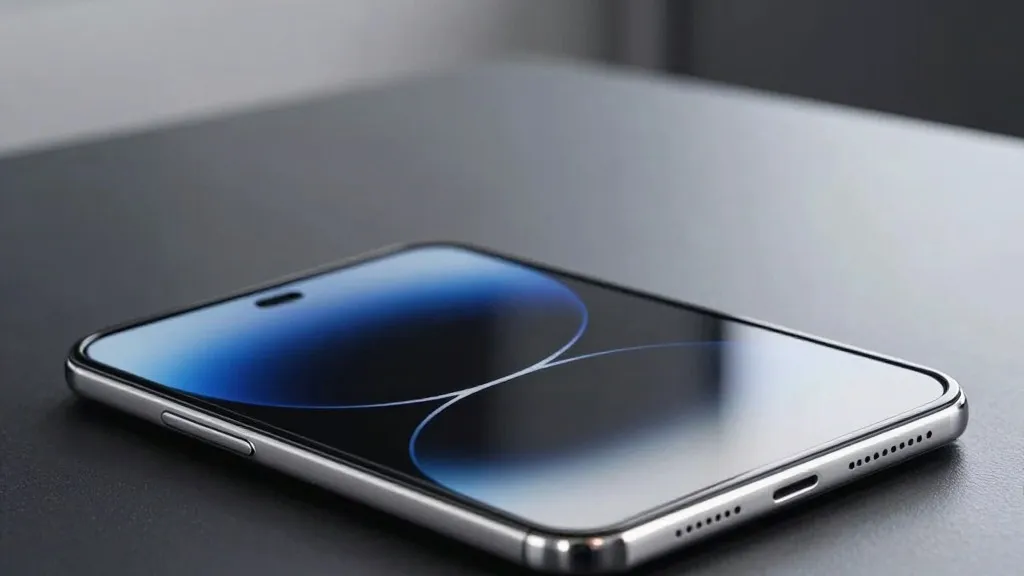
Apple is scrambling to keep pace with a sudden explosion in interest for its first folding smartphone, having reportedly hiked manufacturing orders by more than 40%. The rapid escalation in production follows an opening week for the iPhone Duo that was marked by immediate delivery delays and intense market pressure. What began as uncertainty over whether the backlog was a supply failure or a demand surge has now been clarified by supply chain data, which points decisively to the latter as the driving force behind the company's aggressive ramp-up.
The initial launch window on Friday saw customers face extended wait times almost instantly after pre-orders opened. Many buyers were presented with estimated delivery dates stretching into late January, a delay that Apple attributed to "extraordinary" demand. While the company frequently employs this language during major product launches, the scale of the initial backlog suggested something different. To manage the rush and combat scalping, Apple implemented a strict limit of two units per customer, a measure that appears to have been necessary given the volume of orders flooding in during the first few minutes.
Recent reporting from DigiTimes, citing internal supply chain sources, indicates that Apple has actively increased its shipment targets. The company originally projected 9.7 million units over the first twelve months but has now raised that figure to 14 million. This significant adjustment reflects an internal expectation that the high level of consumer enthusiasm will persist well beyond the initial launch phase. As a result, early adopters are already seeing their estimated shipping dates move up, a direct consequence of the accelerated manufacturing schedule.
Despite the hardware hype, early users are navigating a software landscape that is still maturing. Third-party applications have not yet been fully optimized for the new folding form factor, though Apple states that developer adoption is improving rapidly. Initial reviews based on a week of usage consistently highlight app support as a primary area for improvement. Additionally, the device’s reliance on Touch ID rather than Face ID has drawn attention, with some users noting the difference in security and convenience compared to previous iPhone models.
Looking ahead, Apple is already testing prototypes for a second-generation iPhone Duo that reportedly incorporates Face ID technology. This suggests the company is keen to address the biometric authentication gap identified in the first model. As production lines speed up to meet the new 14 million unit target, the focus shifts from availability to how quickly the ecosystem can adapt to the unique hardware constraints of the folding screen. For New England consumers watching their delivery dates closely, the coming weeks will determine if Apple can sustain this momentum without further slipping on its promises.
The situation underscores a broader tension in Apple’s strategy to re-enter the folding phone market. While the demand is undeniably strong, the logistical challenge of fulfilling 14 million units in the first year is substantial. The company’s ability to balance rapid production with software optimization will be the key metric for success in the coming quarters.
Source: 9to5Mac